Rwanda Concludes Fourth Universal Periodic Review
Geneva, 21 January 2026 — Rwanda today concluded its Fourth Universal Periodic Review (UPR), during which it reaffirmed its commitment to advancing human rights through reforms that place citizens at the centre of governance and development.
The review provided Rwanda with an opportunity to present progress achieved since its previous review, outline remaining challenges, and share national priorities. The UPR is a peer-review mechanism through which all UN Member States assess one another’s human rights records.
Rwanda’s national delegation was led by Hon. Dr. Emmanuel Ugirashebuja, Minister of Justice and Attorney General, and comprised senior officials from institutions forming Rwanda’s National Mechanism for Implementation, Reporting and Follow-up (NMIRF). The delegation included Ambassador Urujeni Bakuramutsa, Permanent Representative of Rwanda to the United Nations in Geneva; Dr. Doris Picard Uwicyeza, Chief Executive Officer of the Rwanda Governance Board; Mr. Ivan Murenzi, Director General of the National Institute of Statistics of Rwanda; and Mr. Bob Gakire, Permanent Secretary at the Ministry of Local Government.
In her remarks introducing the delegation, Ambassador Urujeni Bakuramutsa underlined the Universal Periodic Review as a mechanism through which human rights are assessed by their impact on citizens’ daily lives, and highlighted Rwanda’s coordinated, whole-of-government approach to implementation, reporting, and follow-up.
Presenting Rwanda’s national report, the Minister of Justice highlighted progress across civil, political, economic, social and cultural rights, while acknowledging challenges requiring sustained effort. He underscored ongoing legal and policy reforms aimed at strengthening the rule of law, improving access to justice, reinforcing accountability, and ensuring inclusive participation.
Rwanda also presented evidence-based results reflecting progress in key areas, including sanitation, maternal health, and poverty reduction, illustrating how coordinated national action translates policies and reforms into tangible outcomes for citizens.
Addressing the review, the Minister of Justice stated:
“The promotion and protection of human rights remain fundamental to establishing a secure and just environment for all citizens. Rwanda’s National Strategy for Transformation 2 (2024–2029) links development goals with protecting rights, strengthening the rule of law, and ensuring inclusive participation.”
Following its 4th UPR, Rwanda will consider the recommendations received and continue national implementation and follow-up in line with its Constitution, international obligations, and national development priorities.
The interactive dialogue featured statements from a hundred Member States.
Topics

Minister Habimana concludes two-day visit in Eastern Province
From 15 to 16 May 2026, the Minister of Local Government, Dominique Habimana, conducted a two-day working visit in Rwanda’s Eastern Province, covering…

Minister Habimana visits Gakenke, urges citizens to preserve strong families
On Tuesday, 21 April 2026, the Minister of Local Government, Dominique Habimana, visited Gakenke District, specifically Ruli Sector and Muhondo…
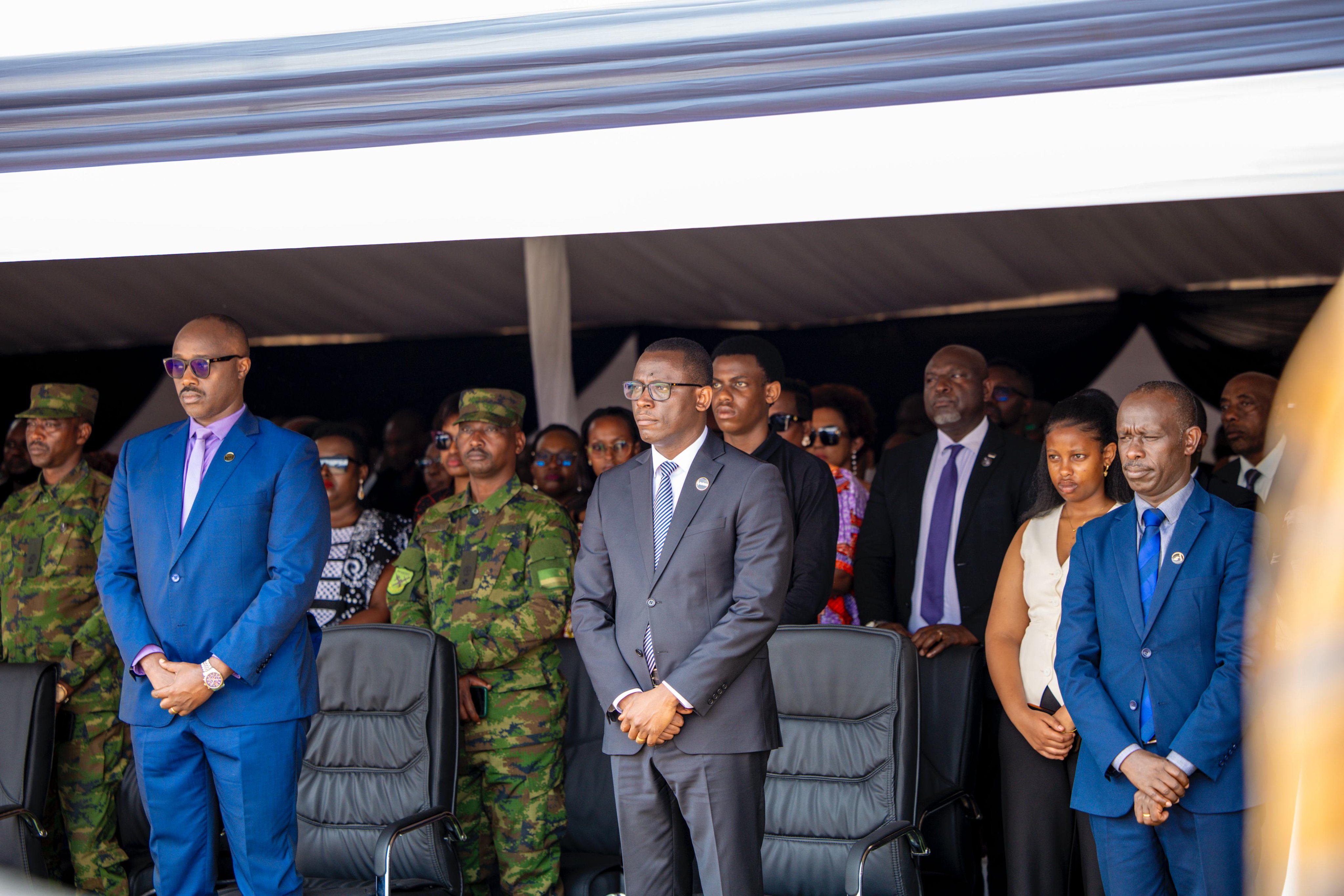
#Kwibuka32: Minister Habimana joins Kayonza residents to honor victims at Mukarange
On 12 April 2026, a commemoration event marking the 32nd anniversary of the Genocide against the Tutsi was held at the Mukarange Genocide Memorial in…
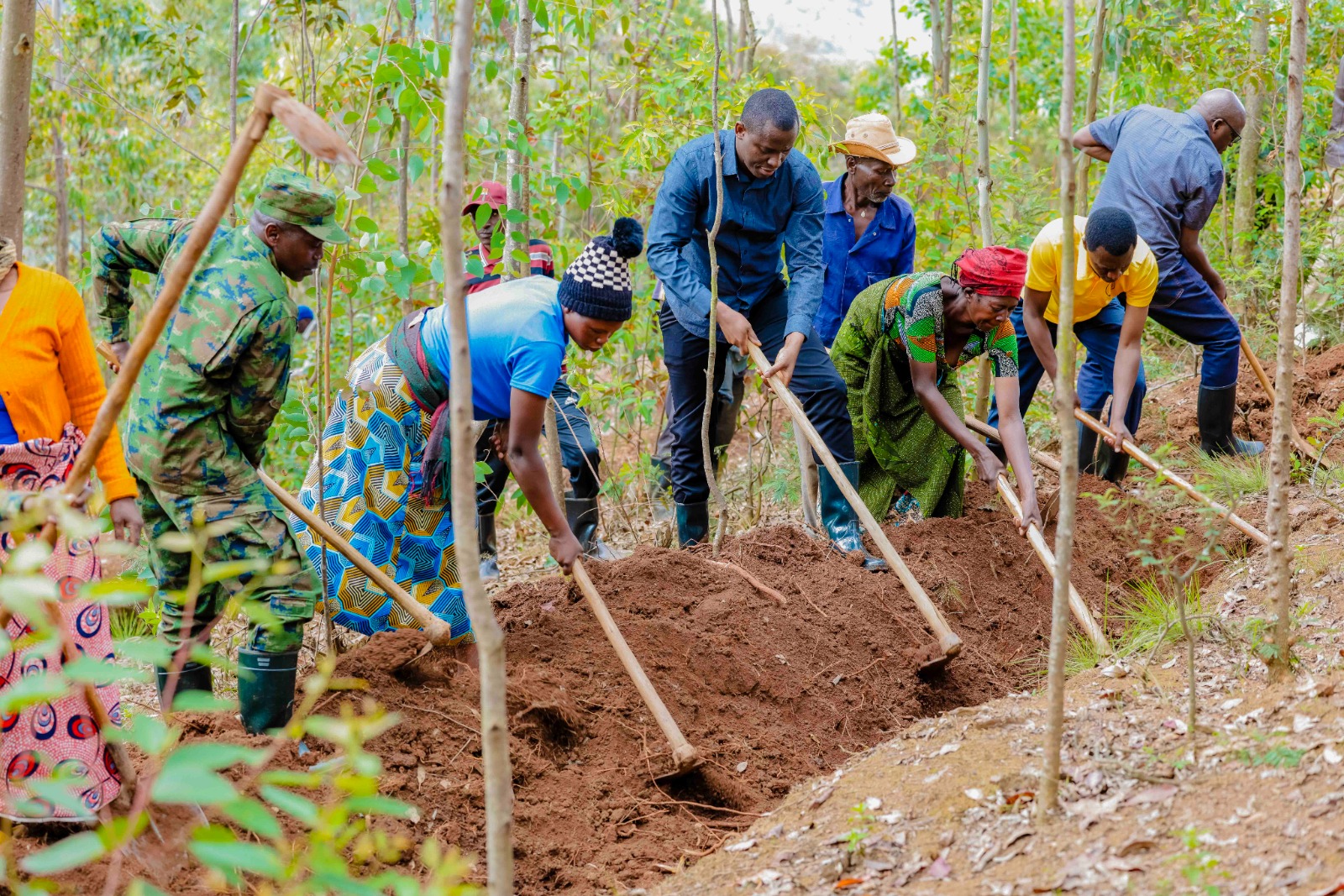
Minister Habimana joins Rulindo Residents in Umuganda
Minister of Local Government, Habimana Dominique, joined residents of Rulindo District, Buyoga Sector, in the end of March community work (Umuganda),…

Rwanda Celebrates 11th African Day of School Feeding, Honors Top Performing Districts
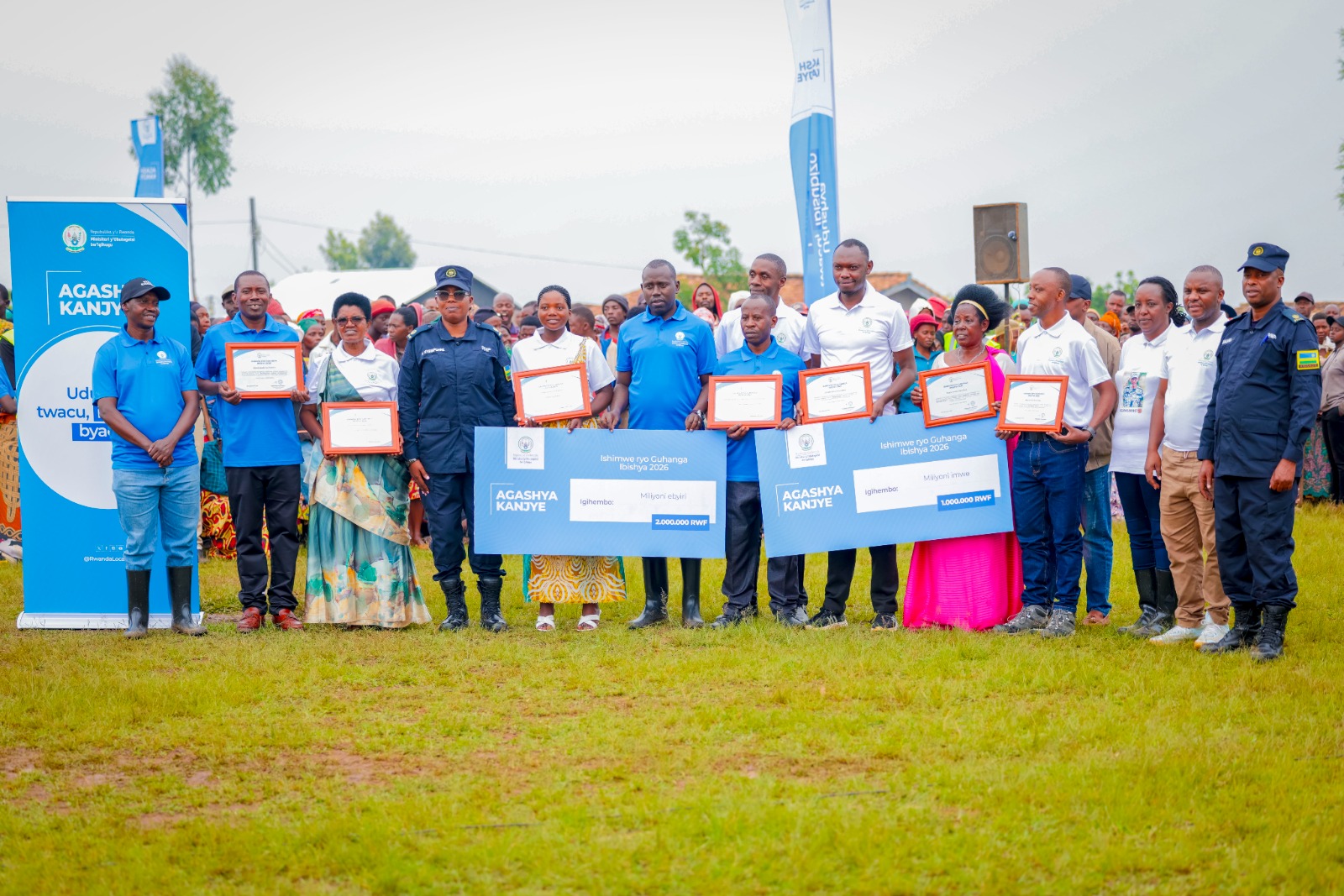
MINALOC Recognizes 30 Outstanding Community Innovations Driving Local Transformation
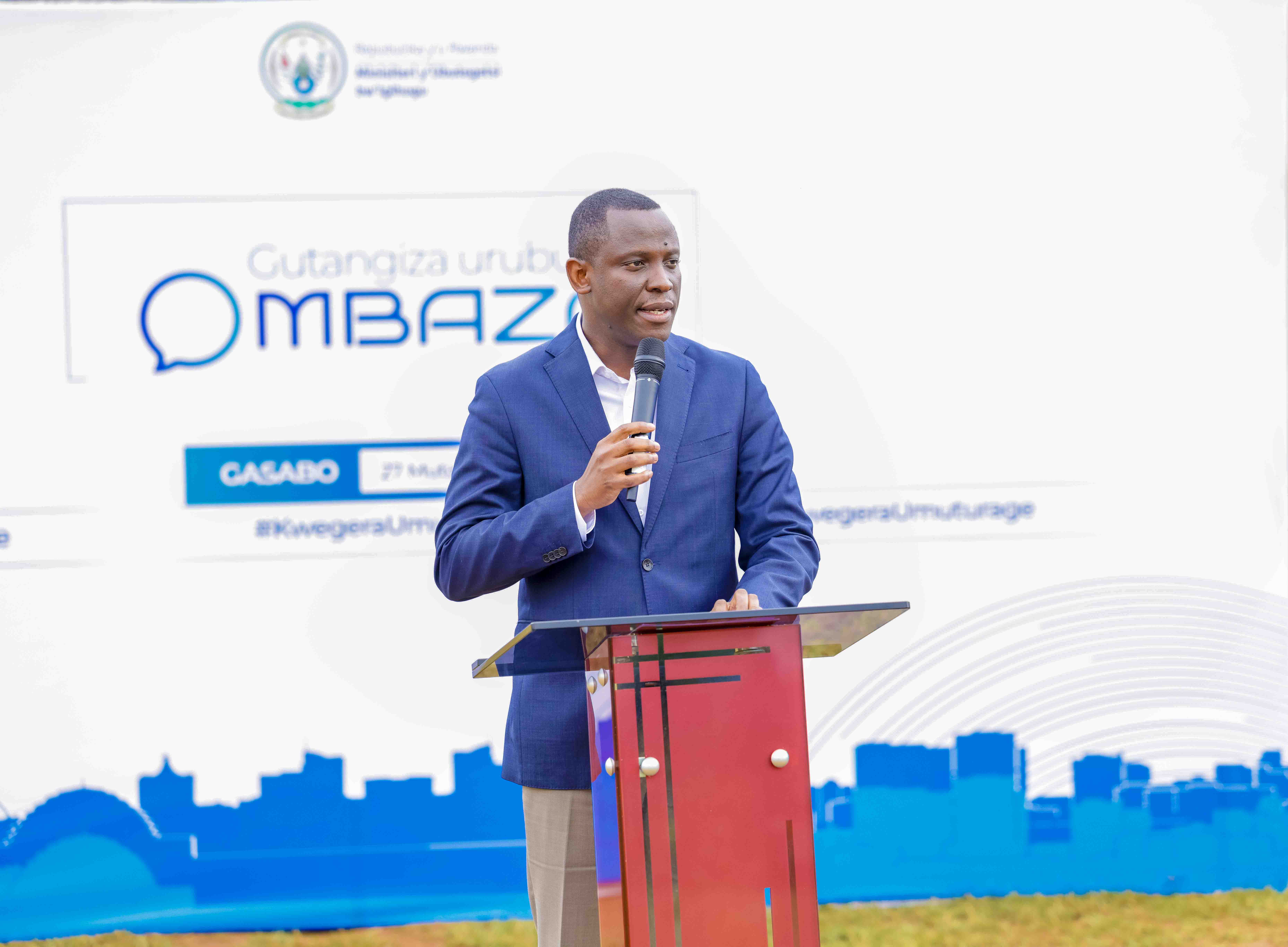
Mbaza Platform launched to strengthen digital citizen engagement and service delivery

Rwanda Concludes Fourth Universal Periodic Review
Geneva, 21 January 2026 — Rwanda today concluded its Fourth Universal Periodic Review (UPR), during which it reaffirmed its commitment to advancing…
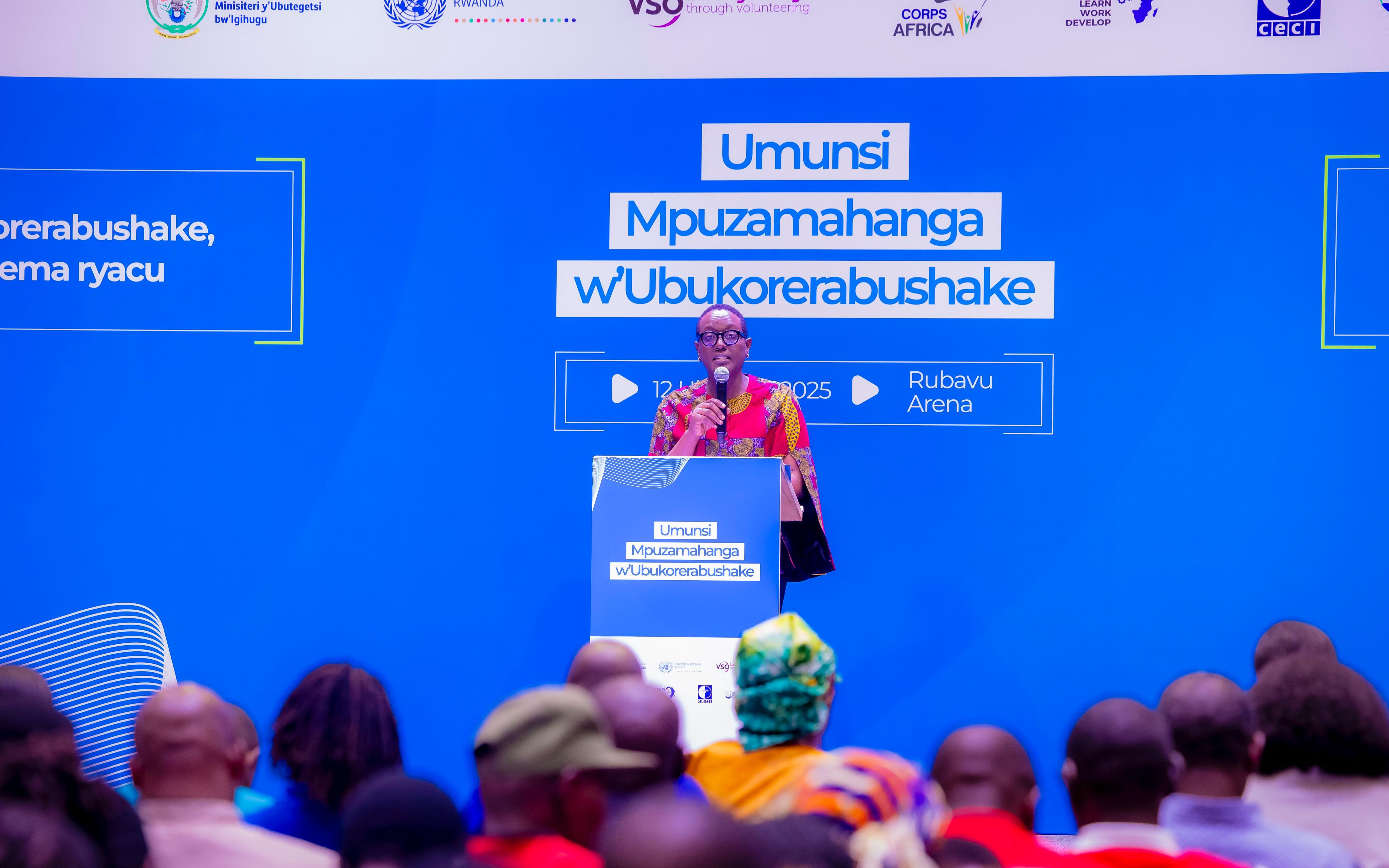
Rwanda celebrates International Volunteerism Day
Rwanda on Friday, December 12, 2025, celebrated International Volunteerism Day during a national event held in Rubavu District, under the theme…