Research commends Rwanda’s remarkable strides in decentralisation over the last 20 years

Rwanda has made significant progress in fostering decentralisation, which has strengthened local governance and community engagement over the past two decades, according to recent research.
The study, published in the Open Journal of Social Sciences, was co-authored by Rwanda’s Ministry of Local Government and Senay Kebede.
Rwanda’s decentralisation policy was introduced in 2000, with the primary objective of enhancing local governance, community engagement, and accountability in the aftermath of the 1994 Genocide against the Tutsi. This policy also sought to promote democracy and improve service delivery by transferring authority and resources to local governments.
Findings from the research indicate that substantial progress has been made since the adoption of the decentralisation policy. Notably, citizen participation has exceeded 80%, reflecting increased public engagement in governance. Rwanda has also recorded a reduction in gender disparity in decision-making within local governance structures, with women holding key leadership positions. The institutional framework of local government has been well established, comprising districts, sectors, cells, and villages, each with clearly defined roles and responsibilities.
Among the major achievements is the enhancement of service delivery and the promotion of Local Economic Development (LED), which has facilitated equitable economic growth across the country. This initiative has created employment opportunities for young people, women, and rural communities while also expanding the local revenue base for districts. For instance, investments in LED-related activities contributed to the creation of 942,324 jobs between 2017 and 2021.
A key milestone in the decentralisation process has been the increase in intergovernmental fiscal transfers and the growth of Local Government Own Source Revenue (OSR). OSR collections rose from Rwf 60.6 billion in 2018/19 to Rwf 86.5 billion in 2022/23, demonstrating improved financial sustainability at the local level.
The increased participation of civil society and the media has further strengthened citizen engagement in governance, ensuring local accountability.
However, the implementation of decentralisation has not been without challenges. Citizen participation in planning and budgeting remains relatively low at 65.6%. Additionally, local government officials face heavy workloads, budget constraints that hinder service delivery, limited digital literacy, inadequate infrastructure, and a lack of resources among civil society organisations.
To address these challenges, the research recommends several key interventions. These include continuous training programmes for local officials to enhance their practical skills and management capabilities, strengthened citizen engagement through targeted awareness campaigns, a comprehensive review of the Joint Action Development Forum (JADF) to reinforce accountability, and the establishment of robust monitoring and evaluation frameworks.
Topics
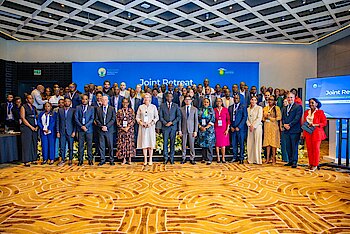
MINALOC and Partners Convene retreat to align priorities across Social Protection and Governance Sectors
Today, the Social Protection and Governance & Decentralisation Sectors convened a one-day retreat in Kigali under the theme “Align and Advance.” The…

Minister Habimana concludes two-day visit in Eastern Province
From 15 to 16 May 2026, the Minister of Local Government, Dominique Habimana, conducted a two-day working visit in Rwanda’s Eastern Province, covering…

Minister Habimana visits Gakenke, urges citizens to preserve strong families
On Tuesday, 21 April 2026, the Minister of Local Government, Dominique Habimana, visited Gakenke District, specifically Ruli Sector and Muhondo…

#Kwibuka32: Minister Habimana joins Kayonza residents to honor victims at Mukarange
On 12 April 2026, a commemoration event marking the 32nd anniversary of the Genocide against the Tutsi was held at the Mukarange Genocide Memorial in…
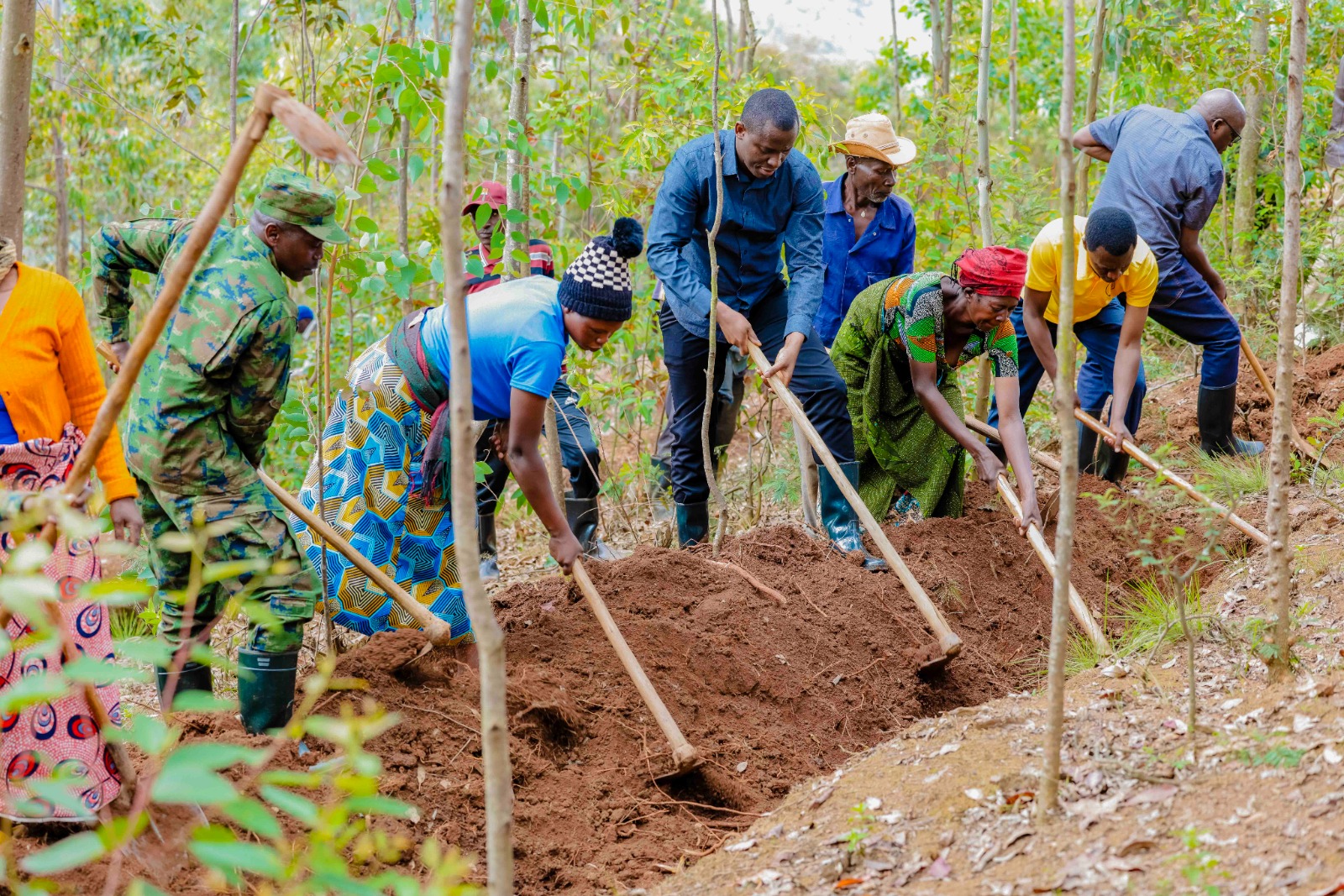
Minister Habimana joins Rulindo Residents in Umuganda
Minister of Local Government, Habimana Dominique, joined residents of Rulindo District, Buyoga Sector, in the end of March community work (Umuganda),…

Rwanda Celebrates 11th African Day of School Feeding, Honors Top Performing Districts

MINALOC Recognizes 30 Outstanding Community Innovations Driving Local Transformation
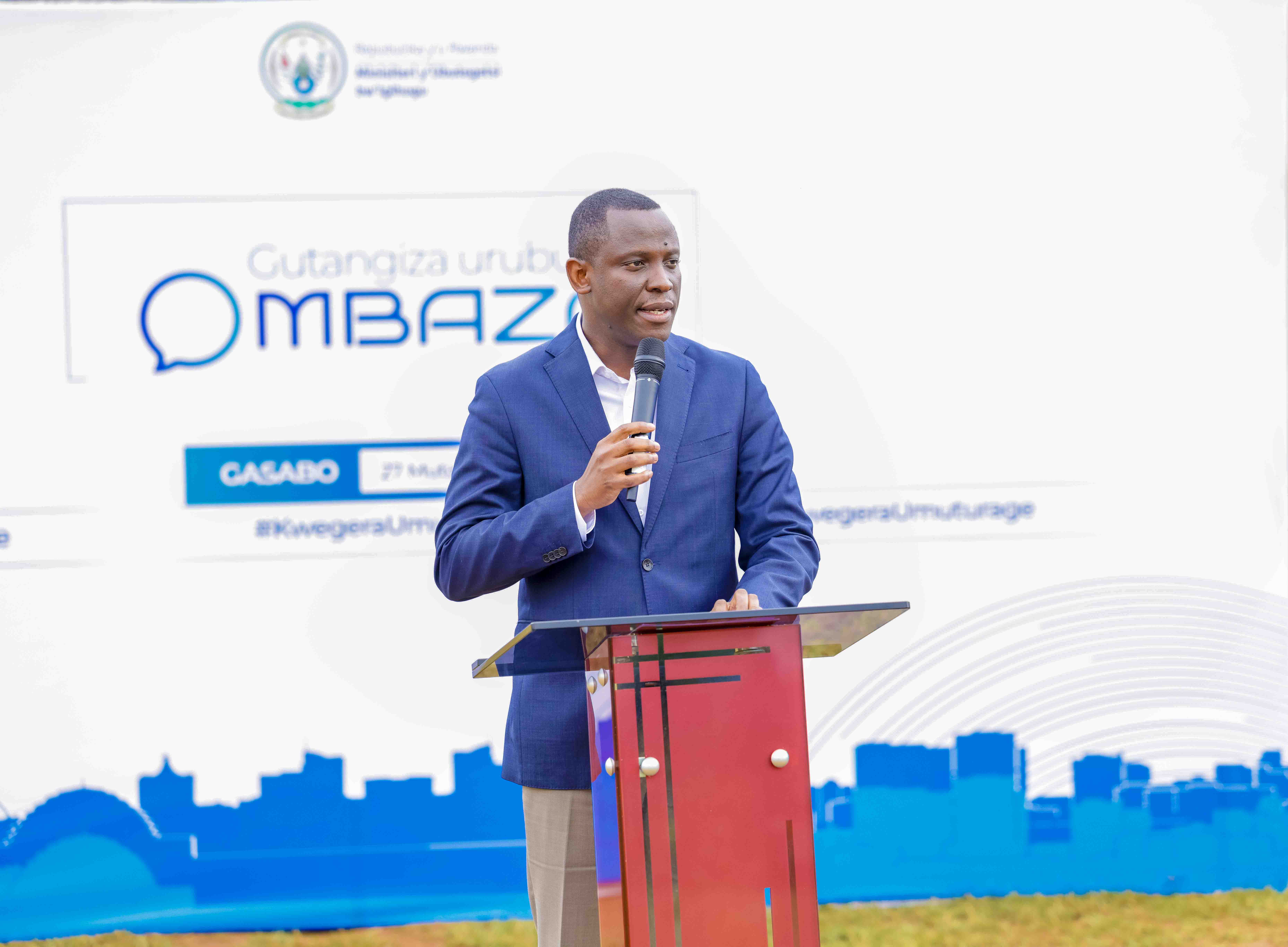
Mbaza Platform launched to strengthen digital citizen engagement and service delivery

Rwanda Concludes Fourth Universal Periodic Review
Geneva, 21 January 2026 — Rwanda today concluded its Fourth Universal Periodic Review (UPR), during which it reaffirmed its commitment to advancing…