Rwanda Launches New Integrated Civil Registration System

This implies that for births or deaths that occur in health facilities, registration and issuance of certificates will be completed there while those that occur in the communities will be registered at the cell level. Previously, all civil registration had to take place at the sector level, something that burdened the public with long trips, and pilled duties on the civil status officials, resulting in delays and inefficiencies.
Following a 2016 assessment of Rwanda’s civil registration system, which identified several gaps to achieving the vision to “make every life known and count” by registering all vital events, the Government, through the National Identification Agency embarked on the process to upgrade its Civil Registration and Vital Statistics (CRVS) system.
The results of this process included the amendment of the Law No. 32/2016 governing persons and family. Changes made by the new law include extending the powers of civil registrar previously at the sector level to more decentralized structures specifically cells and health facilities.
“By bringing civil registration closer to the public at health facilities and cell levels where the two major life events of birth and death occur, journeys and the costs thereof previously borne by the public are eliminated. We encourage all people to ensure that every life event is timely and correctly registered, which is vital to enabling those concerned enjoy their rights and various services provided by Government,” Minister Shyaka said.
In addition, the new system comes with interoperable capabilities to link the National Centralized and Integrated CRVS, the National Population Registry, the CRVS web and the Health Information Management System, among other databases to ensure all institutions with stake in civic information receive the same data without having to do multiple entries.
To prepare the new civil registrars, MINALOC, NIDA and stakeholders undertook training of data managers and health facility managers in all public and private hospitals across the country. 1100 people were trained over two months to bring them to speed on their role established by the new law. Training of 2148 cell executive secretaries is being conducted on the new system to take on the responsibility of registering deaths and births that occur in the communities.
While the birth registration rate in Rwanda recorded at 63 percent is higher than the sub-Saharan Africa average of 44 percent, it remains lower than the global target of 90 percent by 2025. Death registration including Cause-of-Death (CoD) is at an unacceptable low of 30 percent of death registered by the civil registrar and practically no reliable CoD recorded.
In Rwanda, nine vital events must be legally registered including birth, death, marriage, and divorce, annulment of marriage, guardianship, adoption, recognition, and legitimation.
According to an adopted CRVS strategy for 2017-2022, Rwanda seeks to increase birth and death registration and certification to 95% and 90% respectively against global targets of increasing them to 90 and 70 percent by 2025.
Topics
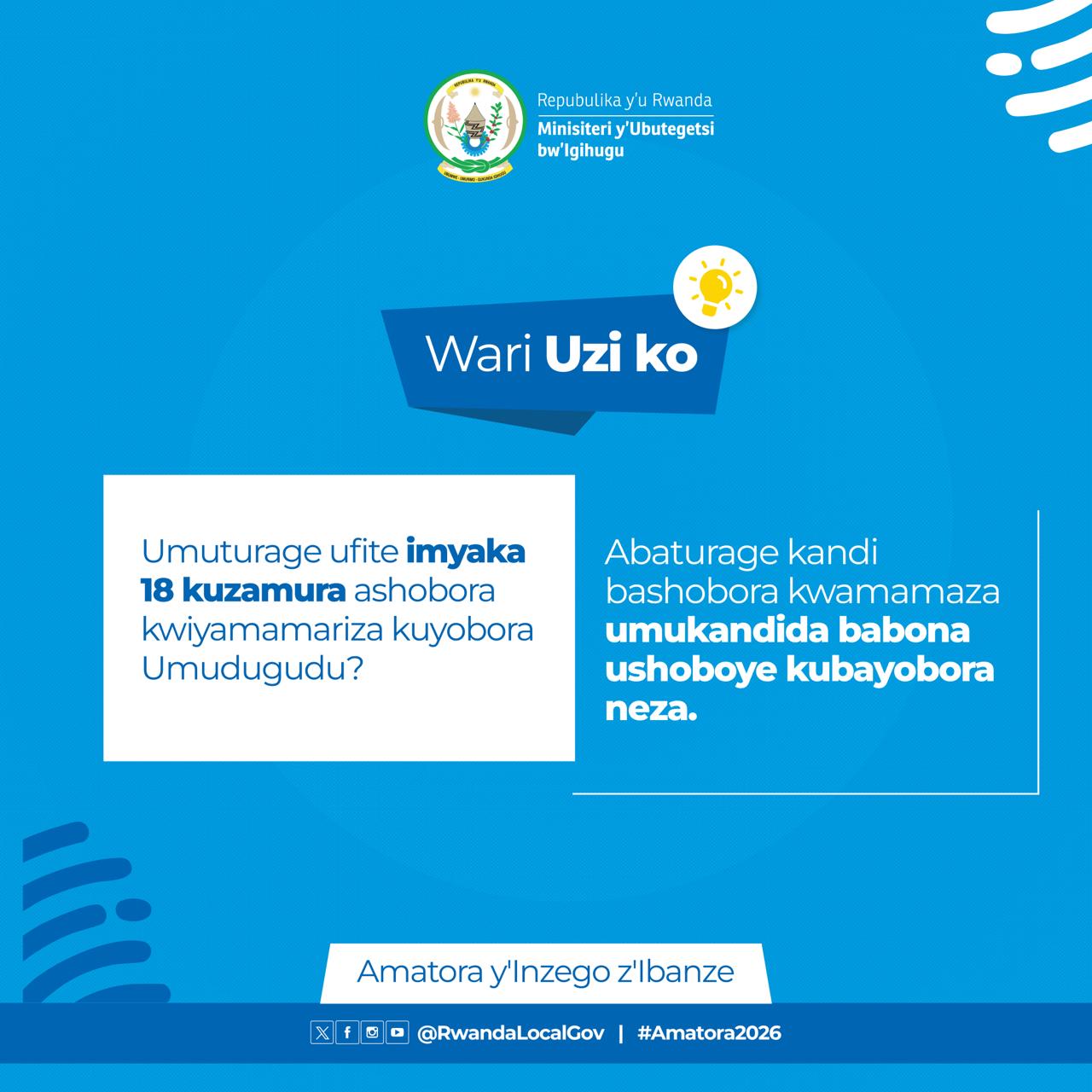
KEY DATES TO KNOW FOR RWANDA’S 2026 LOCAL GOVERNMENT ELECTIONS
Rwanda is preparing to hold elections for leaders of decentralised administrative entities and National Councils in 2026. The electoral process will…
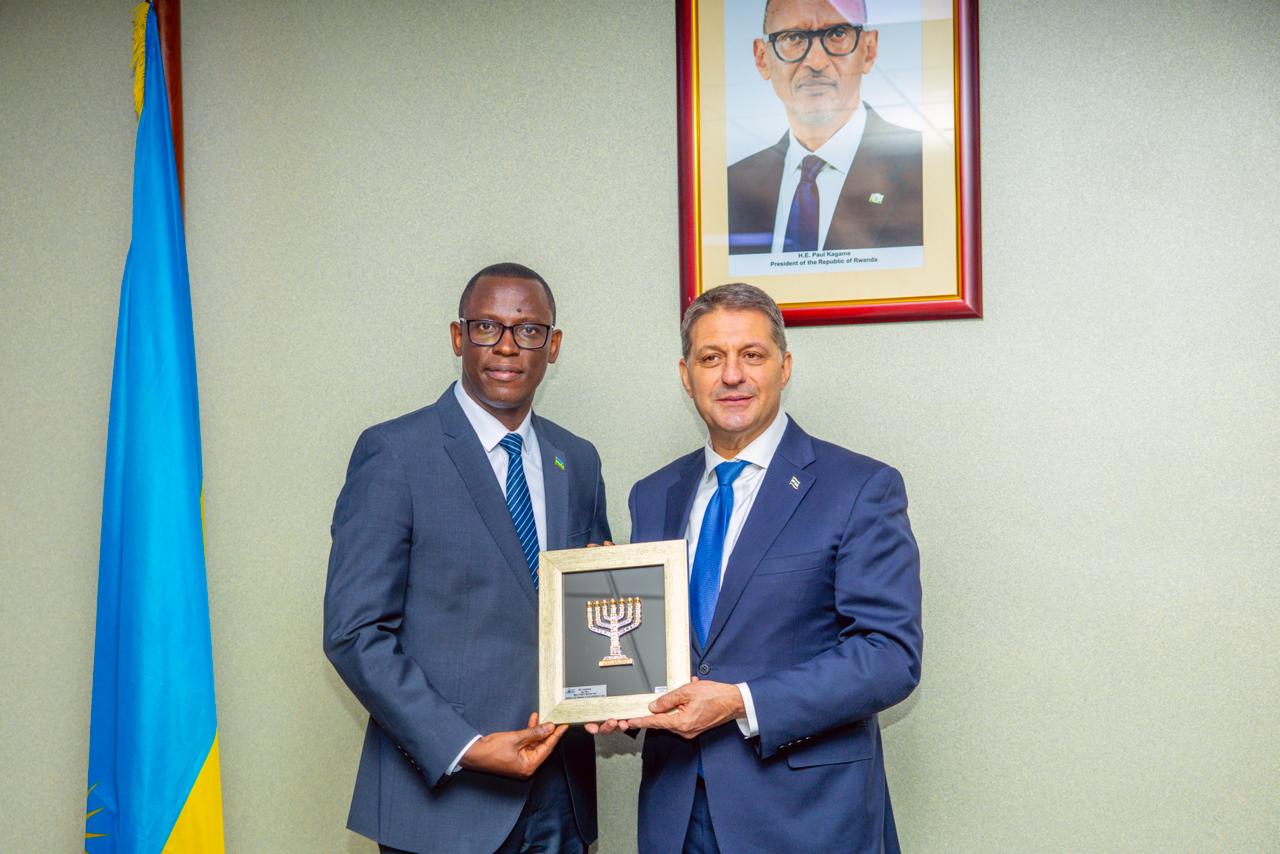
Minister Habimana Dominique received Mayor Bibas Haim of Modi’in-Maccabim-Reut Municipality of Israel and his delegation
Today, Minister Habimana Dominique received a courtesy call from Bibas Haim, Mayor of Modi’in-Maccabim-Reut Municipality of Israel and Chairman of the…
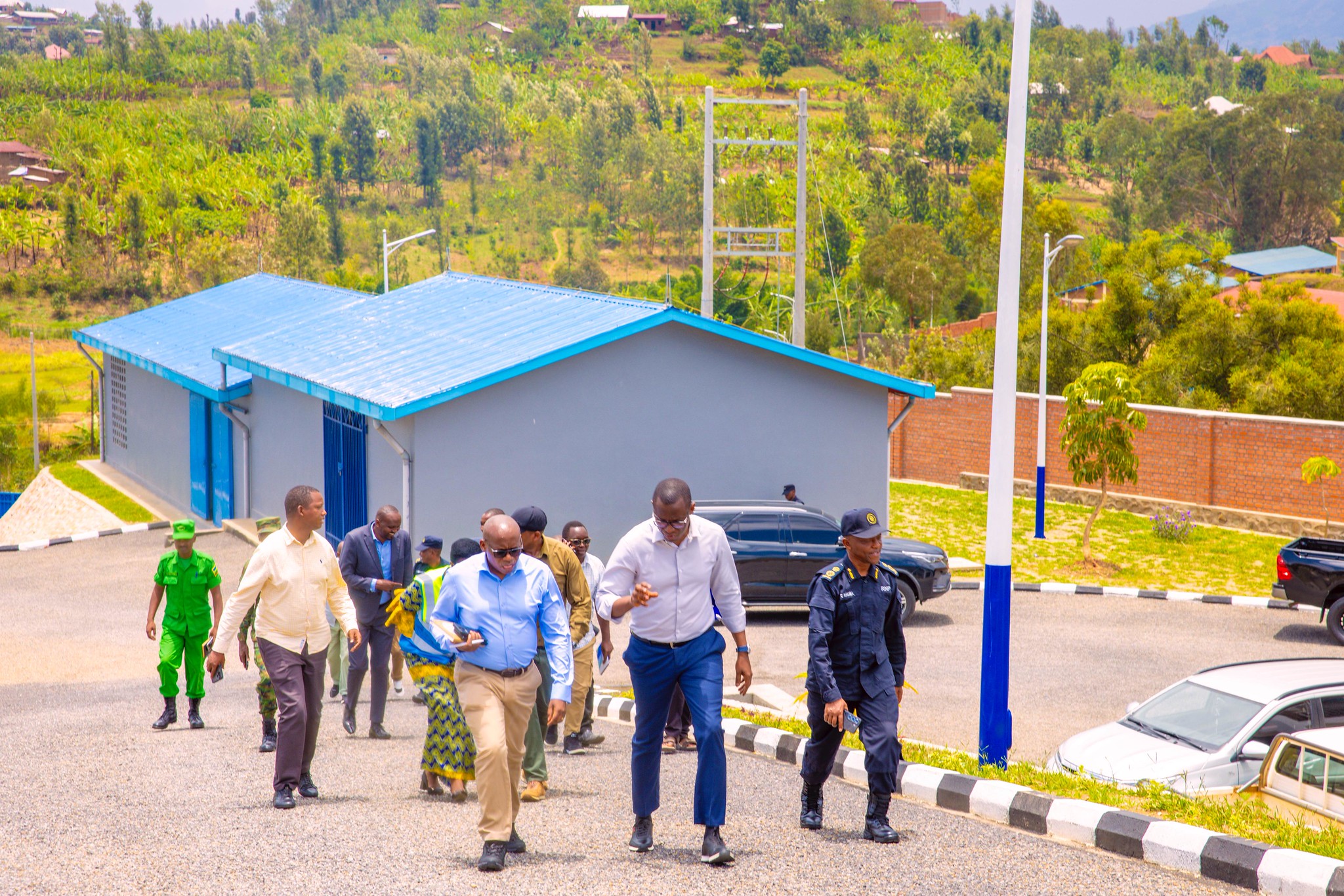
Minister Habimana visits development projects in Karongi
September 29, 2026: Minister Dominique Habimana visited Karongi district to inspect key development projects, meet implementing agencies and engage…

Minister Habimana urges NRS Staff to uphold professionalism
Sunday, September 13, 2026: Minister Dominique Habimana officially opened a training programme for leaders and staff of the National Rehabilitation…

Umurenge Kagame Cup 2026 Concludes in Bugesera
The 2026 edition of the Umurenge Kagame Cup officially concluded on Sunday, 21 June 2026, at Nyamata Stadium in Bugesera District, bringing together…
MINALOC and Partners Convene retreat to align priorities across Social Protection and Governance Sectors
Today, the Social Protection and Governance & Decentralisation Sectors convened a one-day retreat in Kigali under the theme “Align and Advance.” The…

Minister Habimana concludes two-day visit in Eastern Province
From 15 to 16 May 2026, the Minister of Local Government, Dominique Habimana, conducted a two-day working visit in Rwanda’s Eastern Province, covering…

Minister Habimana visits Gakenke, urges citizens to preserve strong families
On Tuesday, 21 April 2026, the Minister of Local Government, Dominique Habimana, visited Gakenke District, specifically Ruli Sector and Muhondo…
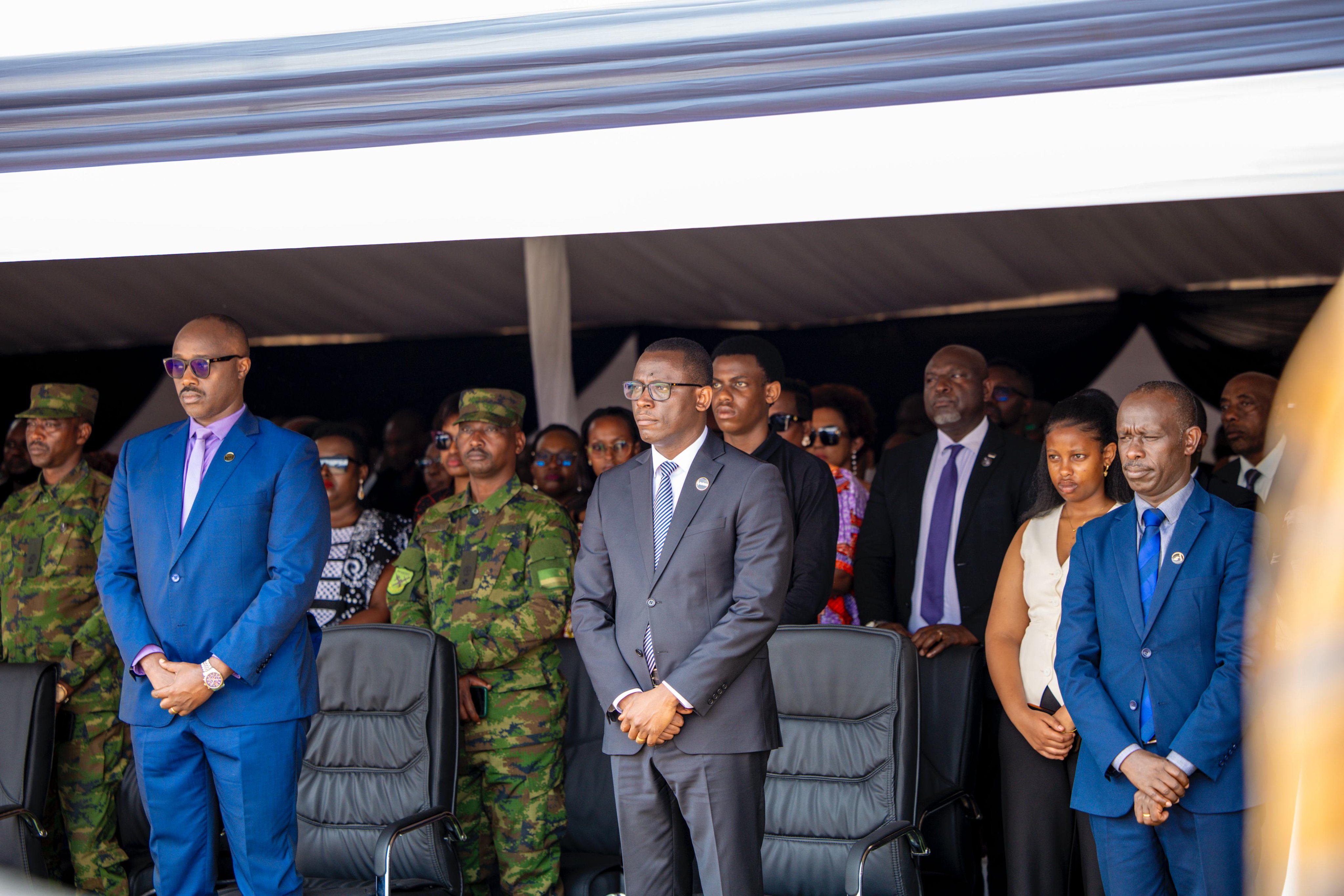
#Kwibuka32: Minister Habimana joins Kayonza residents to honor victims at Mukarange
On 12 April 2026, a commemoration event marking the 32nd anniversary of the Genocide against the Tutsi was held at the Mukarange Genocide Memorial in…